From Moonman to Snooki: The Great MTV Identity Crisis
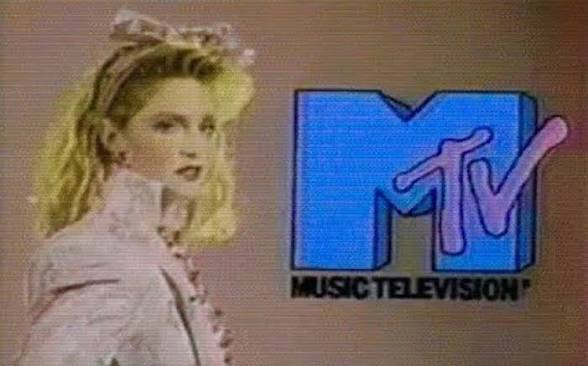
Remember when the “M” in MTV actually stood for Music? It’s been a long, strange trip for the channel that once promised us 24-hour visual radio. To track MTV’s evolution is to track the changing pheromones of the American teenager.
Let’s break down the three distinct lives of the most influential (and identity-confused) network in television history.
Phase 1: The Neon Genesis (1981–1989)
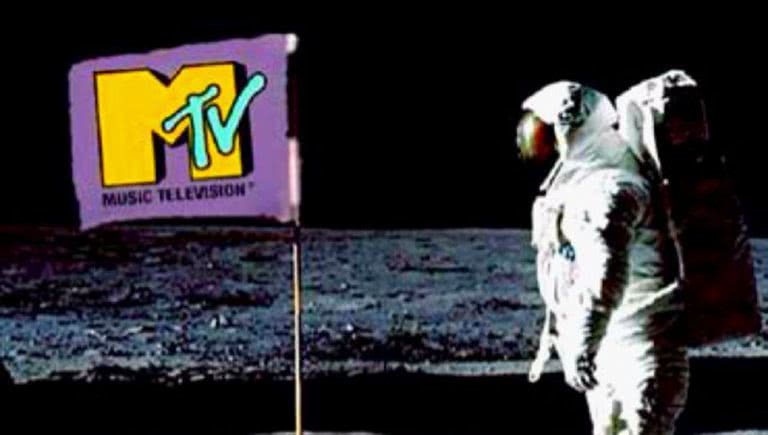
The Vibe: Spandex, hairspray, and a heavy dose of “I want my MTV.”
In the beginning, MTV was basically a visual jukebox. On August 1, 1981, the Buggles’ “Video Killed the Radio Star” launched a revolution. Suddenly, it wasn’t enough to sound good; you had to look like a space-pirate-model from the future (looking at you, Duran Duran).
- The VJ Era: Personalities like Martha Quinn and Kurt Loder became the cool older siblings of a generation.
- The Aesthetic: Bright colors, experimental animation, and a lot of dry ice.
Phase 2: The Grunge & Slacker Pivot (1990–1999)
The Vibe: Flannel shirts, existential dread, and the birth of “Alternative.”
By the 90s, the neon was fading. Nirvana’s Smells Like Teen Spirit didn’t just kill hair metal; it killed the polished MTV aesthetic. The channel shifted toward “Alt-Culture,” leaning into the irony and cynicism of Gen X.
- Beavis and Butt-Head: The ultimate meta-commentary on the channel itself—two teenagers sitting on a couch, making fun of the music videos MTV was playing.
- The Real World: In 1992, MTV accidentally invented the modern reality TV genre. Seven strangers, one house, and the first time we heard the phrase, “Stop being polite… and start getting real.”
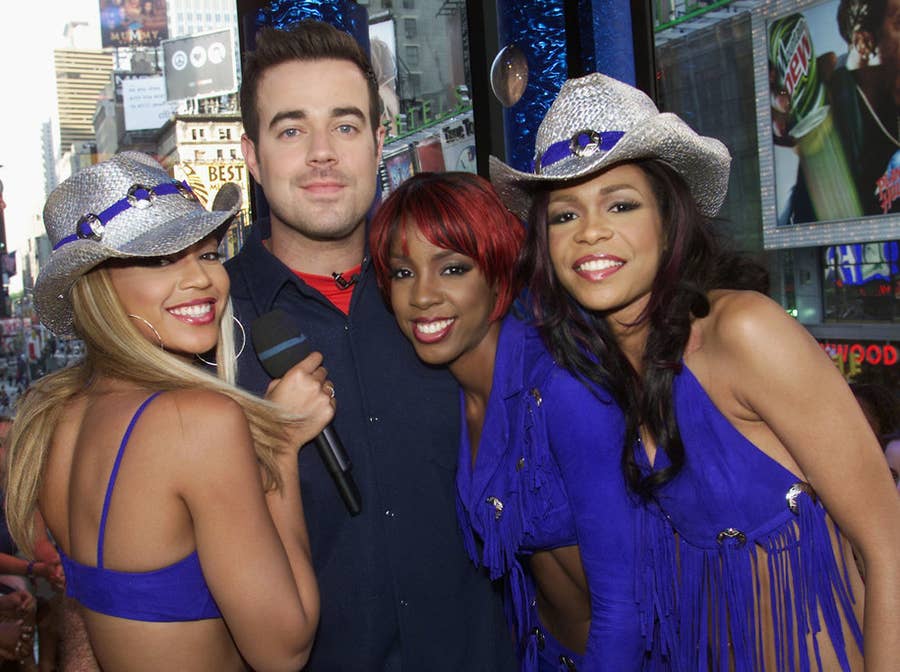
- Total Request Live (TRL): By the late 90s, the “Teenybopper” era took over, turning Times Square into a screaming battlefield for fans of Britney, Christina, and *NSYNC.
Phase 3: The Reality TV Takeover (2000–2010s)
The Vibe: Low-rise jeans, orange spray tans, and “Gym, Tan, Laundry.”
This is where the “Identity Crisis” hit its peak. Music videos were relegated to the early morning hours, replaced by high-concept (and high-drama) reality programming. The “M” officially became silent.
| Show | The Cultural Impact |
| Jackass | Made suburban kids think jumping into shopping carts was a career path. |
| The Hills | Perfected the “stare into the distance while pop-rock plays” editing style. |
| Jersey Shore | Introduced “The Situation,” Snooki, and the science of hair gel to the world. |
| Pimp My Ride | Proved that every car needs a waterfall and three PS2s in the trunk. |
Why Did It Happen?
It wasn’t just a whim; it was survival. As the internet (specifically YouTube) made music videos available on-demand, MTV had to pivot to “lifestyle” content to keep eyeballs glued to the screen. They stopped being a music channel and became a lifestyle brand.
Today, MTV is a cozy home for Ridiculousness marathons and the occasional awards show, serving as a nostalgic monument to the days when we all stayed up too late waiting to see if our favorite video would hit #1.